Cranial Surgery
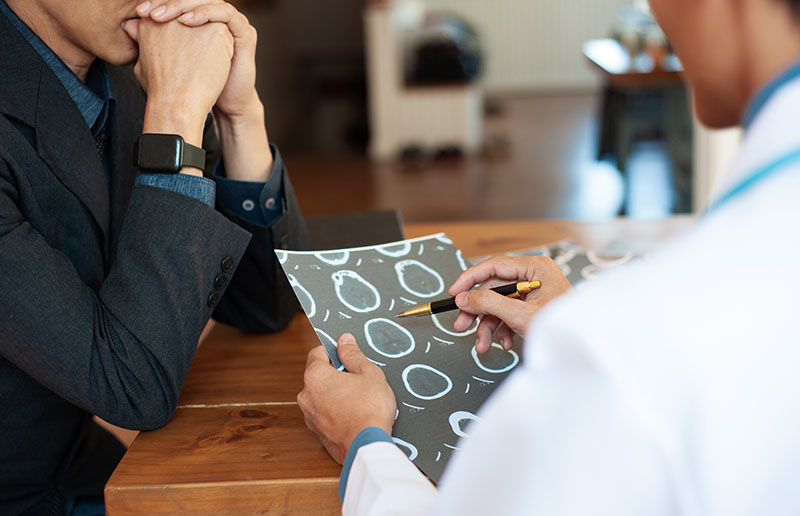
Experience compassionate expertise in cranial surgery with Dr Andrew Appiah-Baiden, an experienced neurosurgeon at Melomed Hospitals. Specialising in various cranial surgeries, Dr Appiah-Baiden provides advanced, comprehensive care tailored to each patient’s unique needs.
Whether addressing brain tumours, cranial sepsis, traumatic brain injuries, or complex skull base conditions, his approach combines cutting-edge technology, meticulous surgical techniques, and a deep commitment to patient-centred care.
What is cranial/brain surgery?
Cranial or brain surgery includes various procedures to treat conditions and diseases within the brain and its surrounding structures. As a skilled neurosurgeon, Dr Appiah-Baiden uses these procedures to correct anomalies, remove tumours, and alleviate symptoms caused by injuries and infections, significantly improving patient outcomes.
What are the different types of brain surgeries?
Dr Appiah-Baiden specialises in several key areas of brain surgery:
- Tumour Resections: Specialising in removing both benign and malignant brain tumours using advanced imaging and microsurgical techniques. The goal is to achieve maximum tumour resection while preserving essential neurological functions.
- Cranial Sepsis: Providing care for infections affecting the brain and its encasing structures, employing surgical and medical interventions.
- Traumatic Brain Injury: Offering emergency surgical interventions and long-term management for patients suffering from traumatic brain injuries, focusing on minimising complications and enhancing recovery.
- Skull Base Surgery: Addressing complex conditions at the base of the skull, including congenital abnormalities and tumours, with precision and effective management.
Why would someone need brain surgery?
Patients may require brain surgery for various reasons, including the presence of tumours (both benign and malignant), infections leading to cranial sepsis, traumatic injuries that compromise brain function, or congenital anomalies that affect daily life. Dr Appiah-Baiden assesses each case with thorough diagnostics to determine the most effective treatment plan.
What does the brain surgery process entail?
- Initial Consultation: The brain surgery process starts with a thorough consultation, during which Dr Appiah-Baiden reviews your medical history and symptoms to understand your neurological issues.
- Diagnostic Imaging: Advanced imaging techniques such as MRI and CT scans map the brain and pinpoint areas needing intervention. This precise mapping guides the surgical plan.
- Surgical Procedure: Dr Appiah-Baiden employs cutting-edge microsurgical techniques and tools, such as neuronavigation, to enhance precision and safety in the operating room. These technologies minimise tissue disruption and optimise surgical outcomes.
- Recovery and Follow-up: You will receive personalised care to support recovery, including monitored rehabilitation post-surgery. Regular follow-up appointments are crucial to assess progress and adjust care plans, ensuring optimal recovery and long-term health benefits.
What does the brain surgery recovery look like?
Recovery from brain surgery varies based on the individual and the complexity of the procedure. Dr Appiah-Baiden and his team provide comprehensive post-operative care, including monitoring, rehabilitation, and follow-up assessments to ensure the best possible outcomes. Recovery plans are personalised, supporting patients through every step of their healing process, focusing on both physical recovery and neurological function.
Contact us today to schedule a consultation and start your journey to recovery.
Request appointment

Contact us
Give us a call:
021 110 5132
Email us:
practice@baidenneuro.com
Visit our rooms:
1st Floor, Suite 12A
Cnr Voortrekker Rd &, A J W St, Bellville